



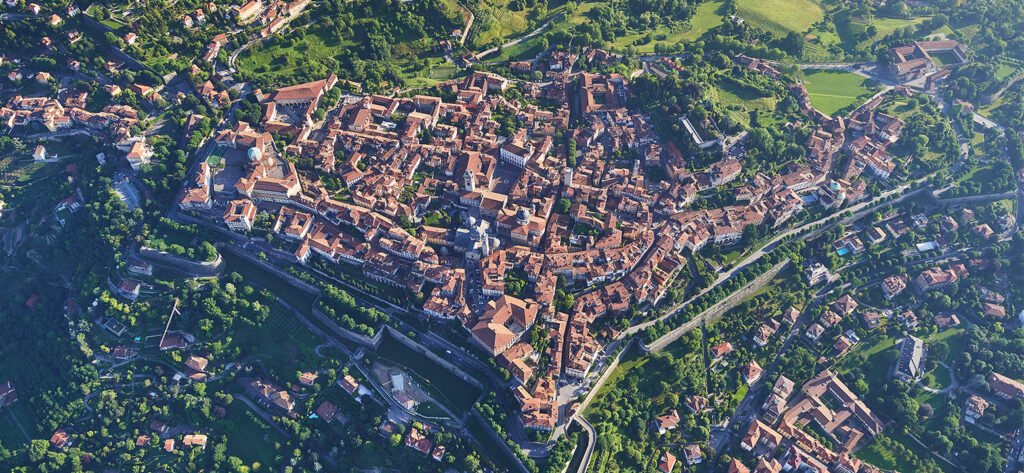
Bergamo is a city rich in culture and offers a surprising variety of museums, perfect for those who want to discover its many souls: from ancient and contemporaryart, to local history, to natural sciences and music.
Visiting Bergamo’s museums is also a great option even when the weather is not the best: whether it’s raining, cold or gray days, the city’s art, history and science collections make for an engaging indoor experience, ideal for both adults and families with children.
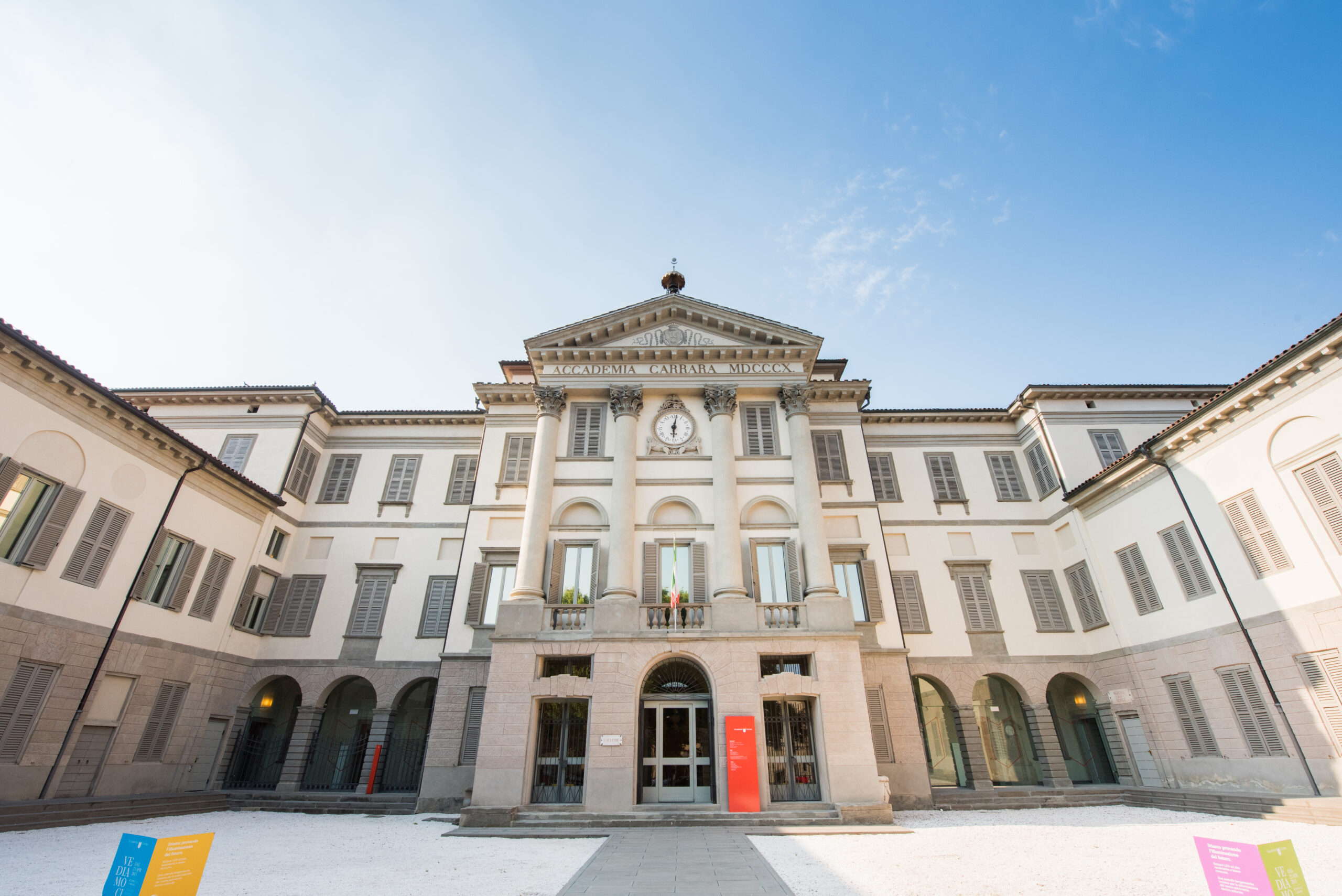
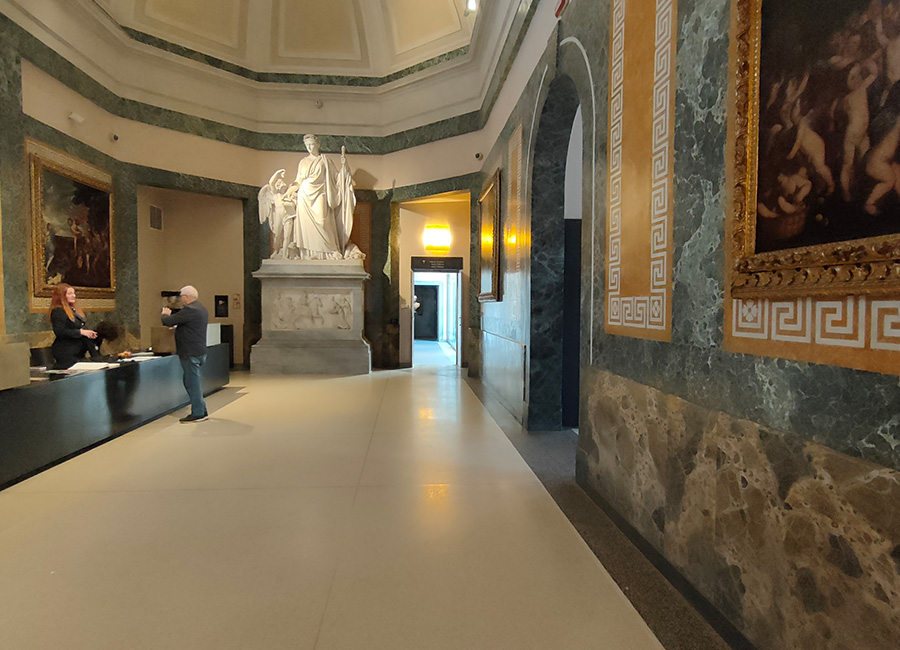
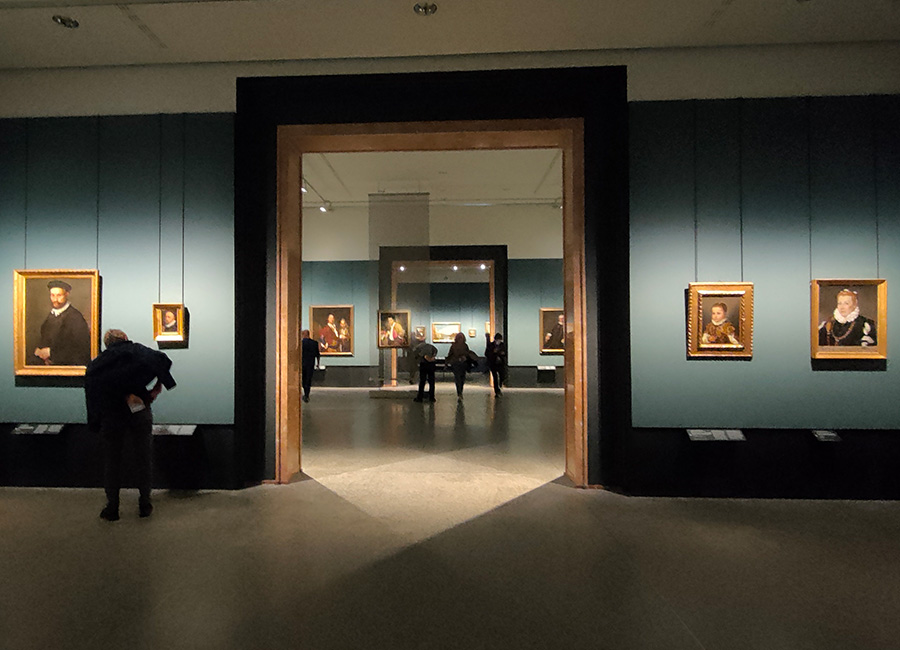
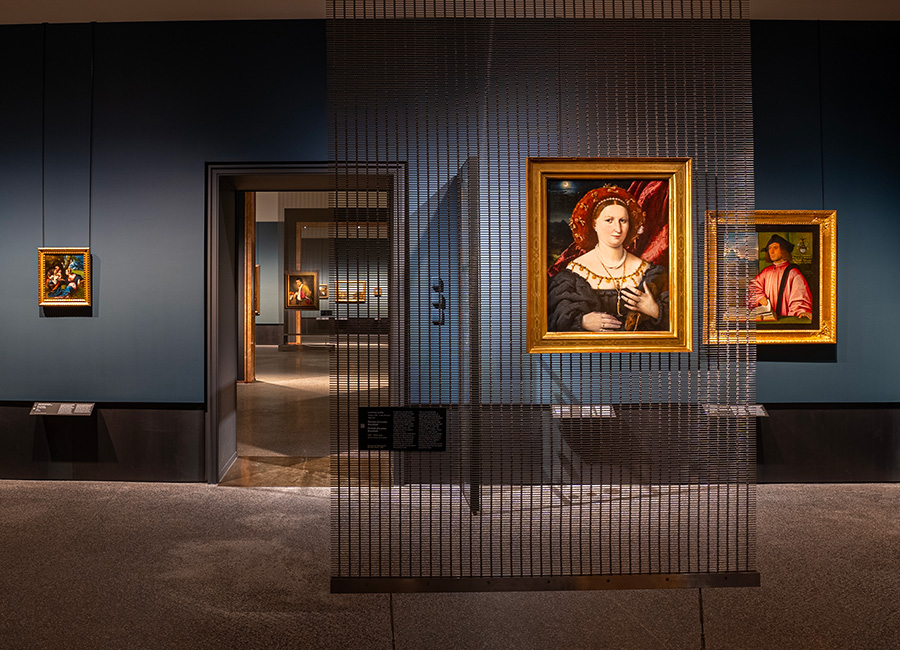
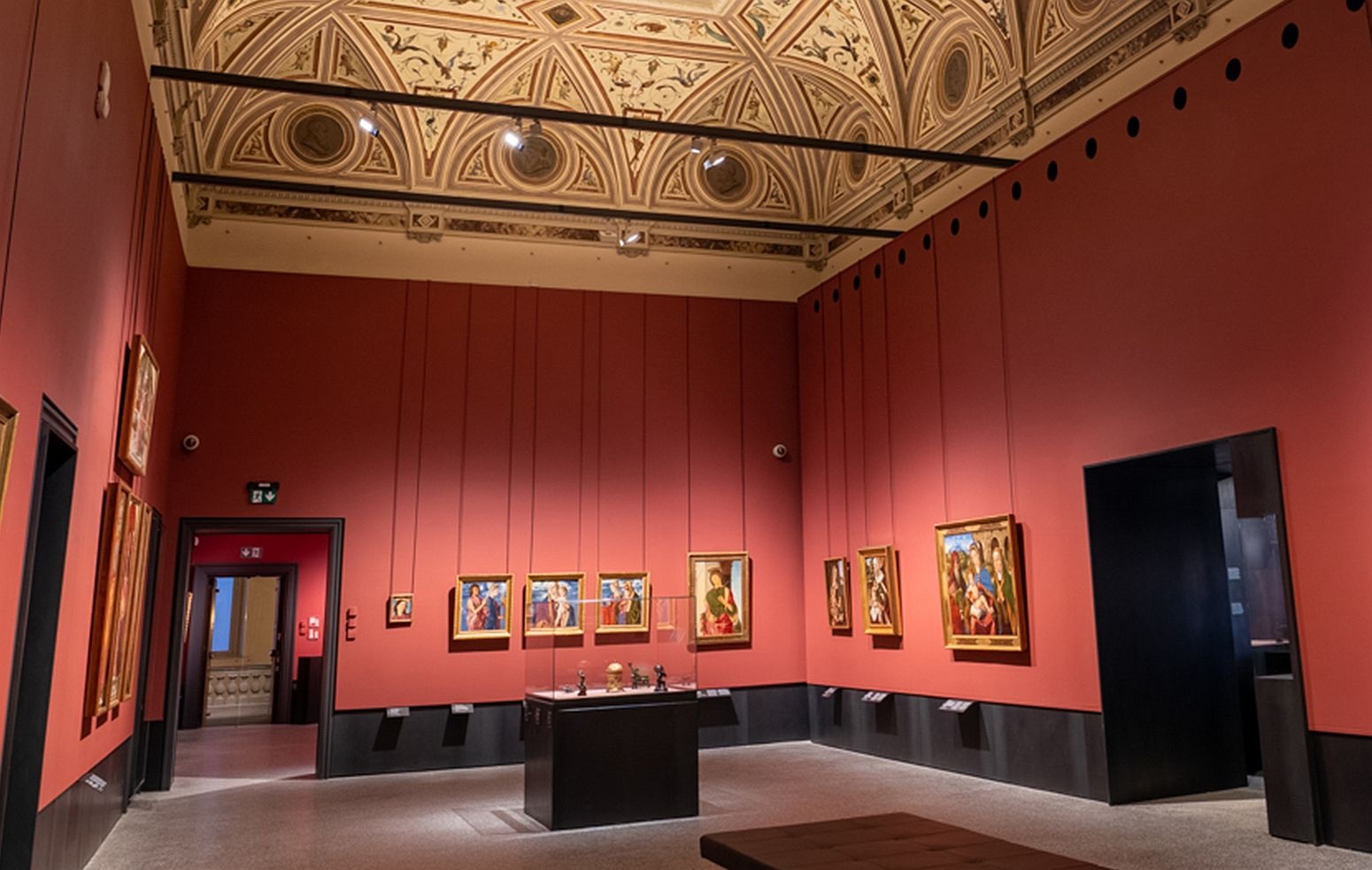
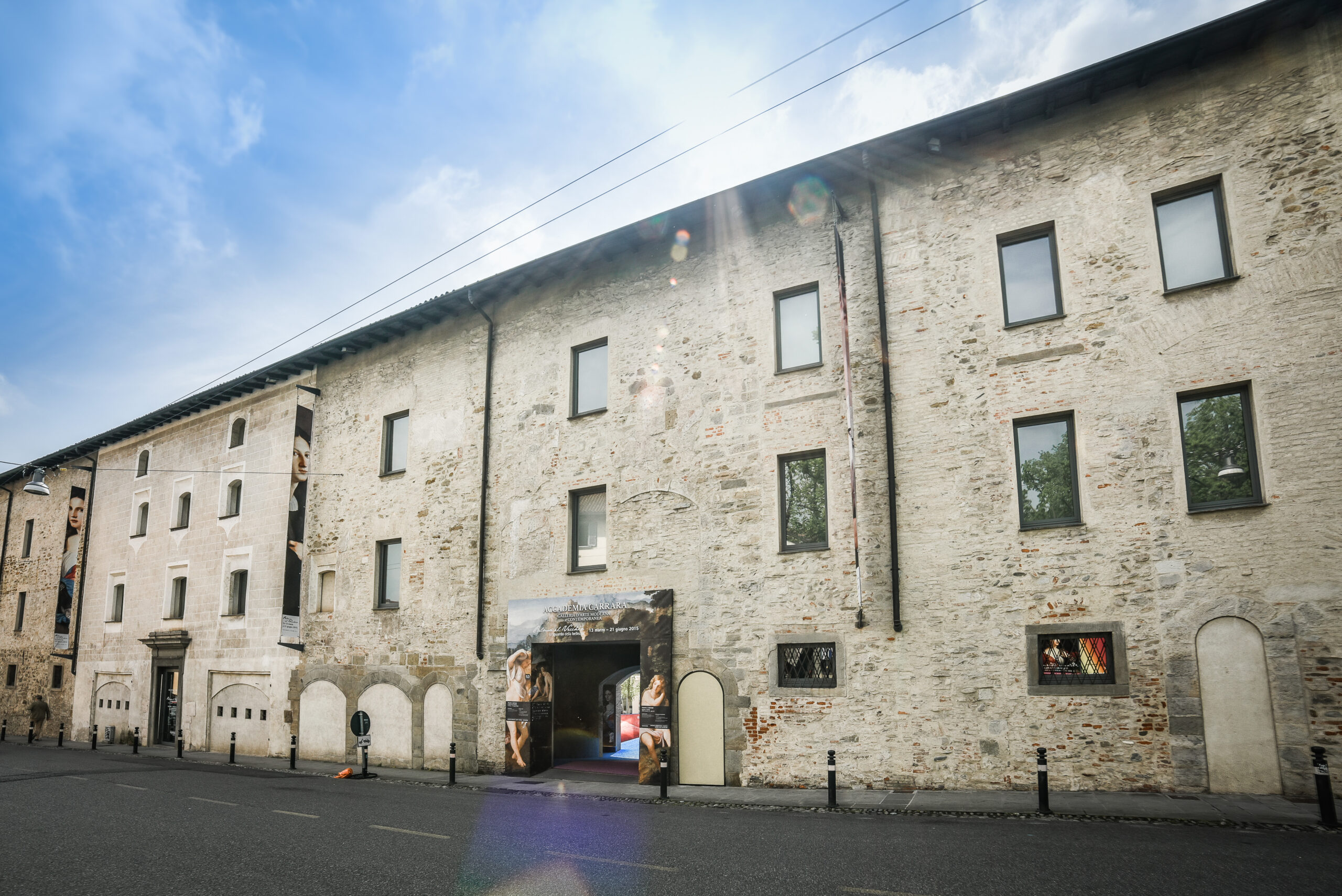
Now recognized among Italy’s leading museums, theCarrara Academy was founded in 1796 on the initiative of Count Giacomo Carrara. It houses more than 600 masterpieces by such masters as Botticelli, Raphael, Titian, Lotto, Moroni and Canaletto, offering a unique journey through the history of Italian painting. The Pinacoteca’s exhibition itinerary offers a five-century journey through the history of Italian art from the Renaissance to the 19th century.



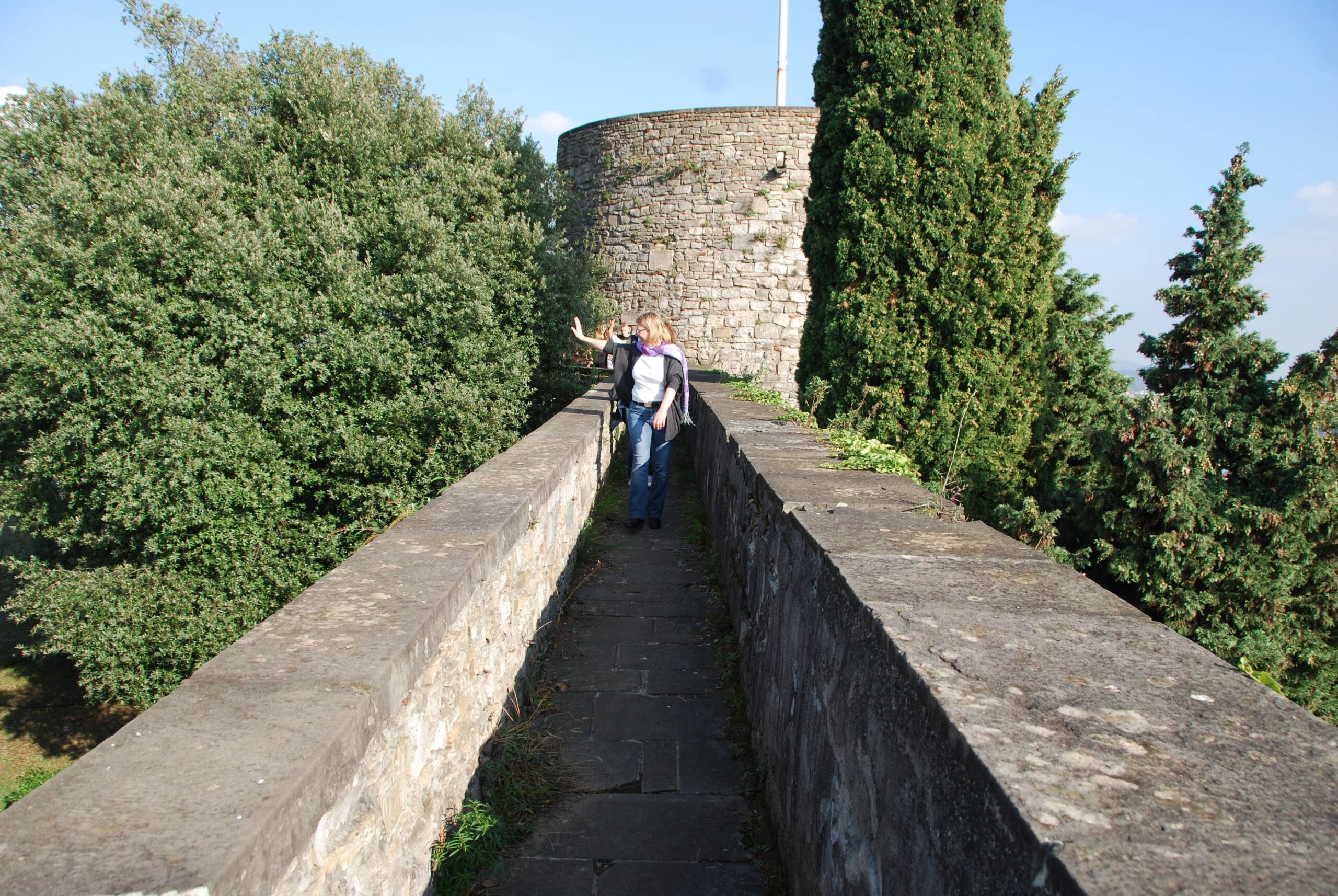
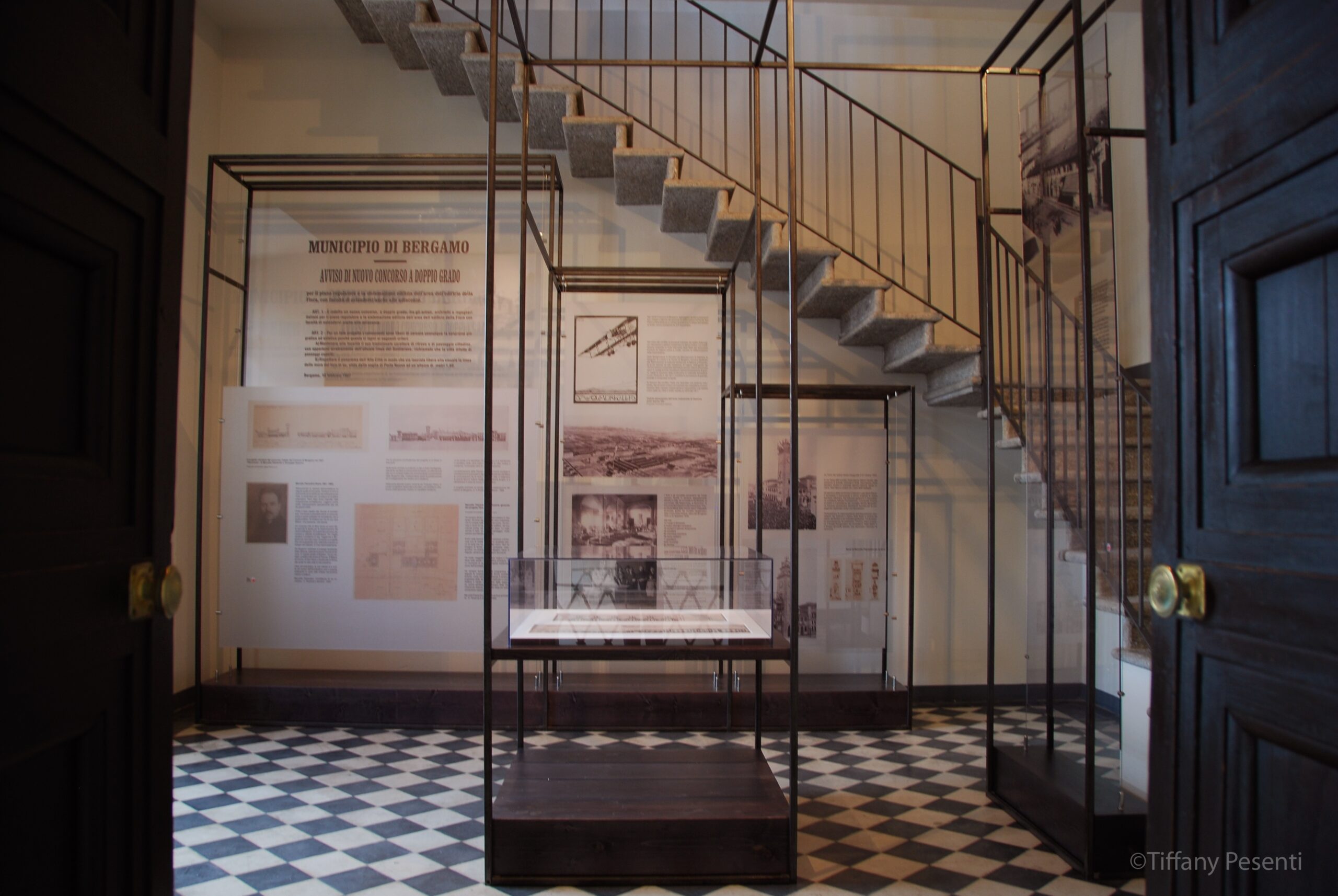
A true museum circuit that includes many venues dedicated to the city’s history and traditions: the Rocca–Museum of the Nineteenth Century, the Campanone with Palace of the Podesta-Museum of the 16th century, the Convent of St. Francis – Museum of Photography Sestini e Bergamo 900, the Tower of the Fallen, the Donizettiano Museum and the museum Walls of Bergamo Inside the monumental St. Augustine’s Gate.
Each location offers a thematic itinerary, including artifacts, documents, photographs and multimedia installations, to discover Bergamo from its origins to the present day.







A hub created by the merger of the former Adriano Bernareggi Diocesan Museum, the Cathedral Museum and the spaces of the Curia bordering S. Maria Maggiore, now allows you to visit, with a single ticket, not only the splendid collection of the diocesan museum housed in the renovated rooms of the Curia and the museum that extends into the basement of S. Alexander Martyr, but also the Baptistery long closed and theformer Oratory of St. Wolf on St. Thomas Street, Lower Town.


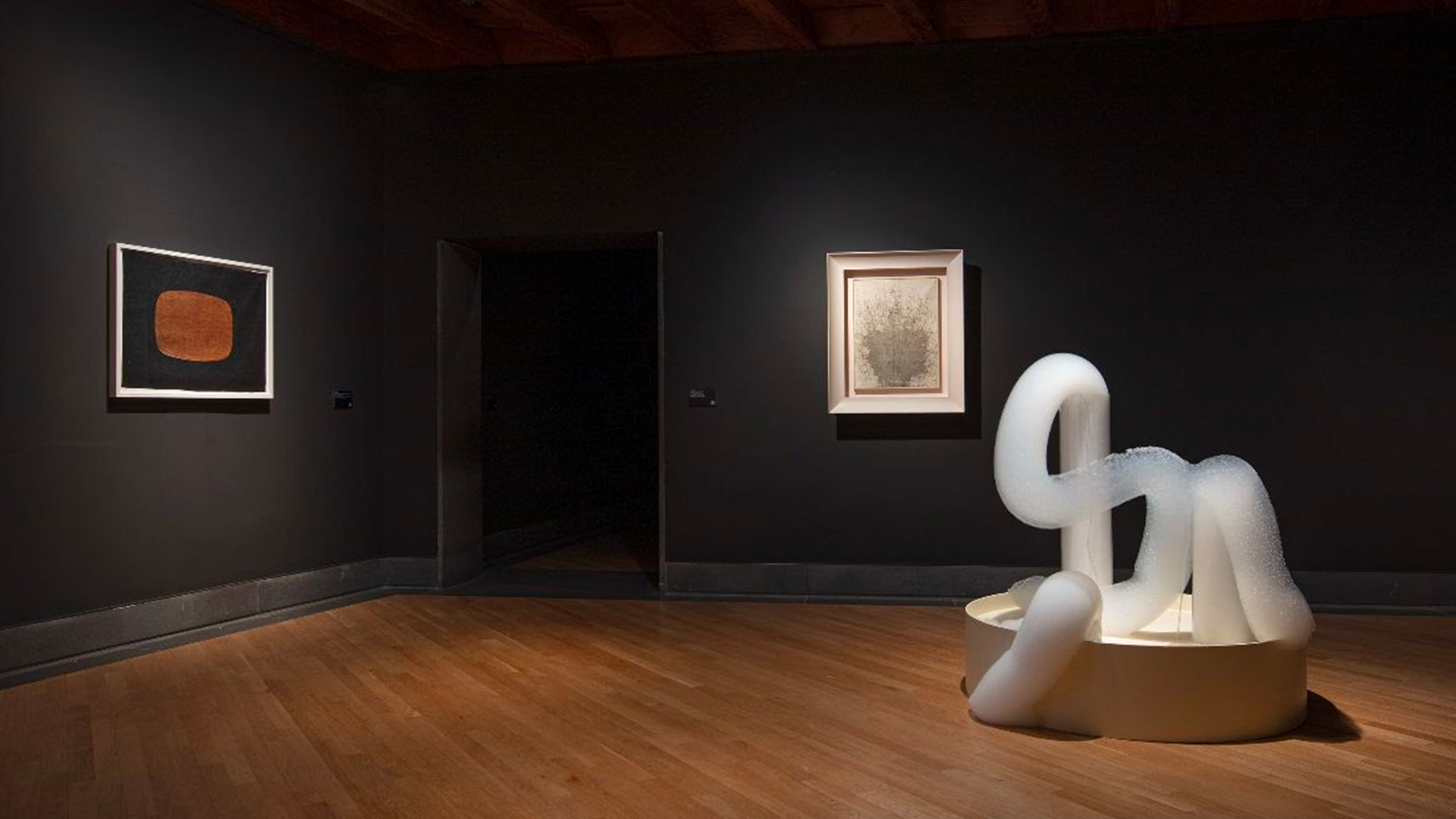
Opposite the Accademia Carrara, in a dialogue between past, present and future, stands GAMeC, the Gallery of Modern and Contemporary Art. In a 19th-century monastery, 1,500 square meters of exhibition space, a visual arts workshop has a permanent collection that includes works by authors such as Balla, Boccioni, Kandinsky and Manzù and hosts temporary exhibitions by international artists and experimental projects.
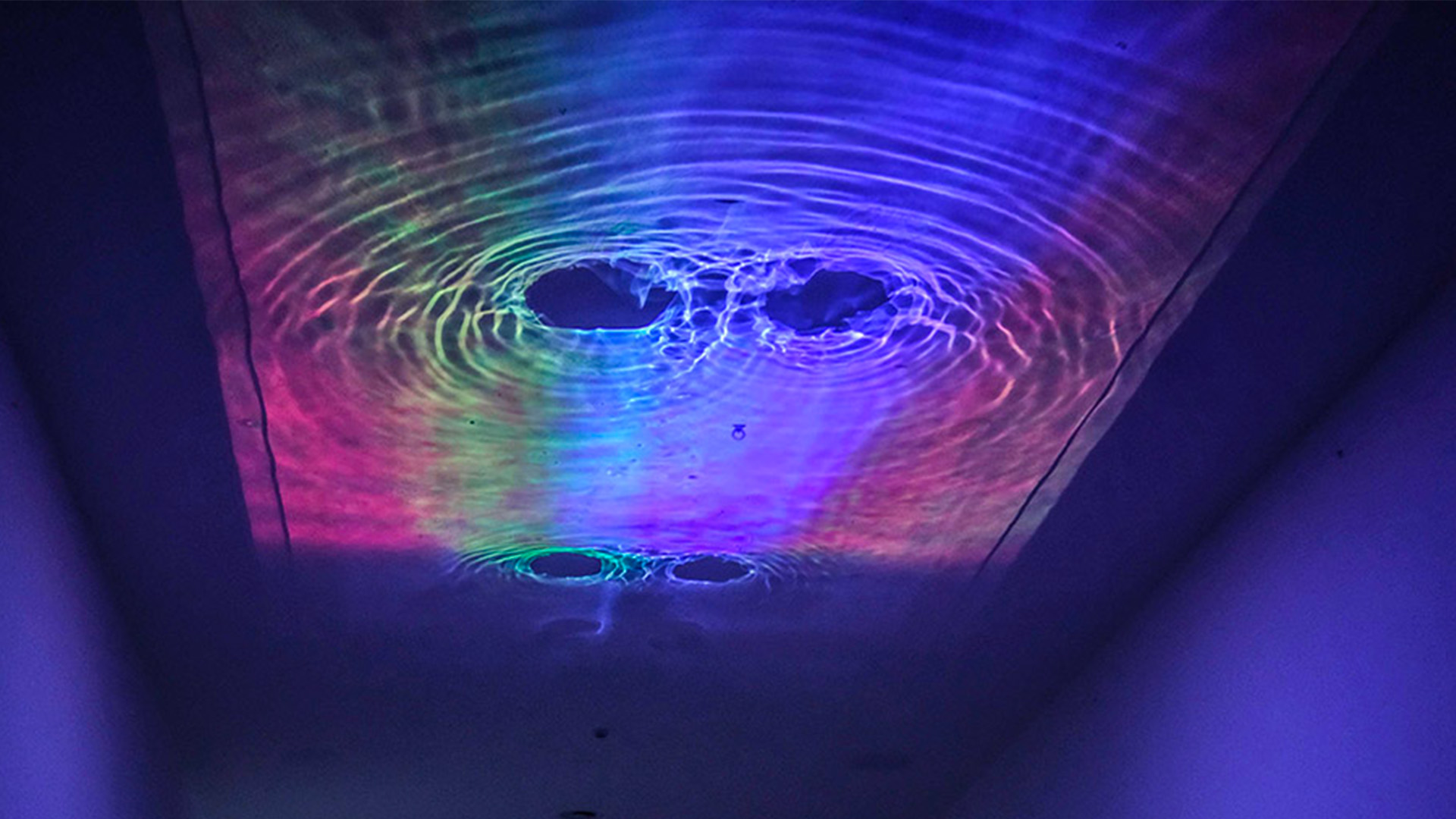


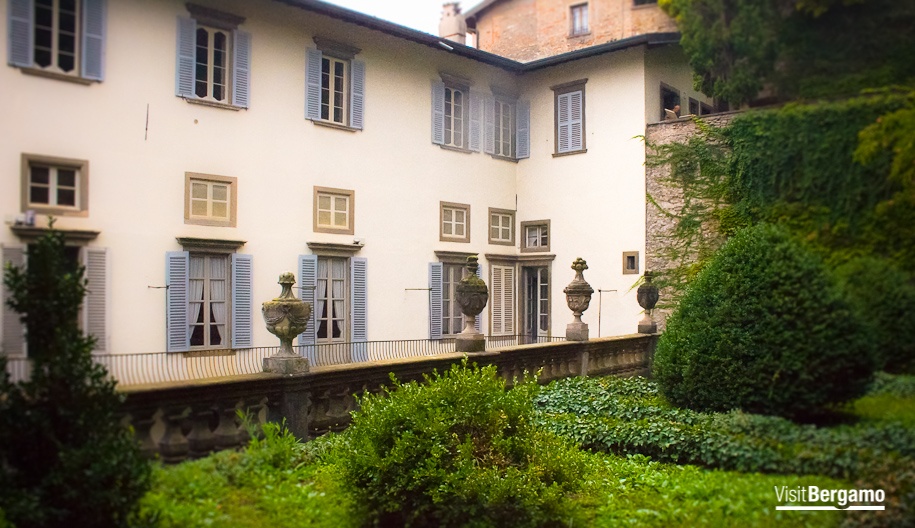
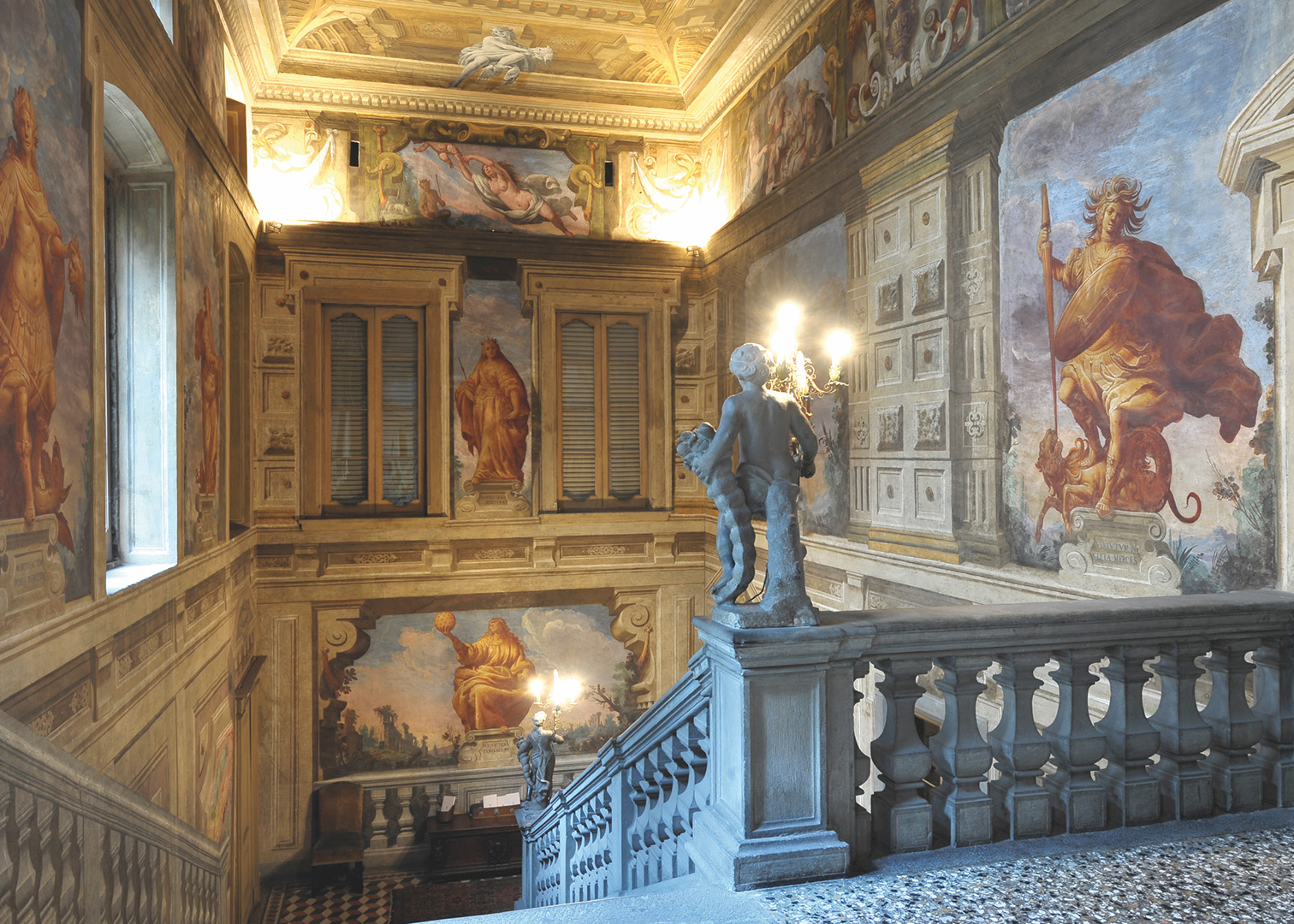
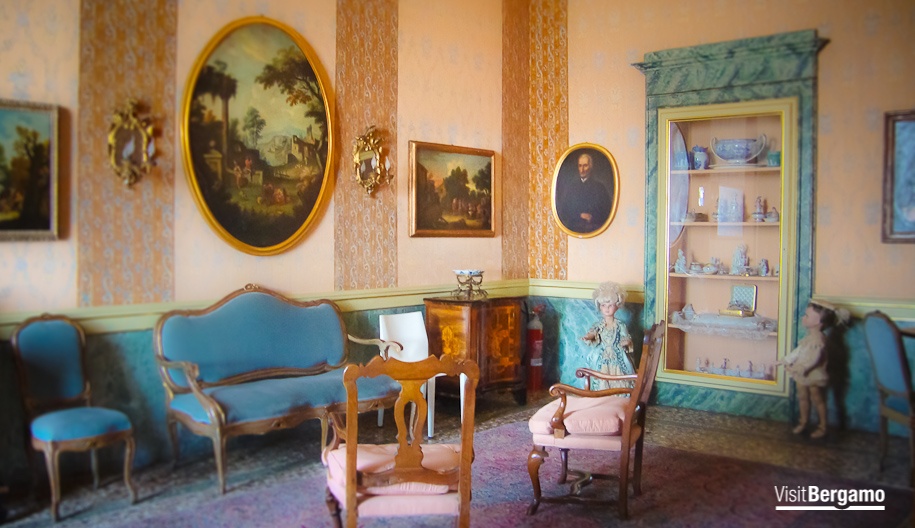
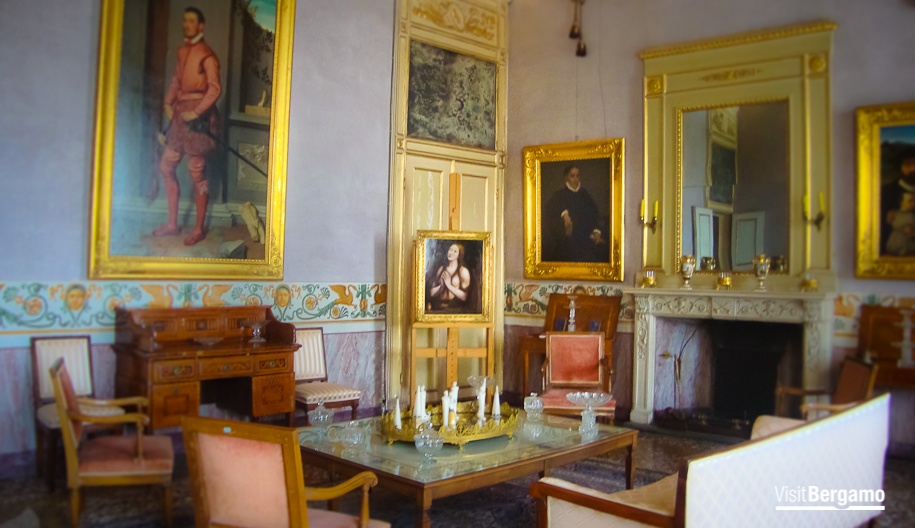
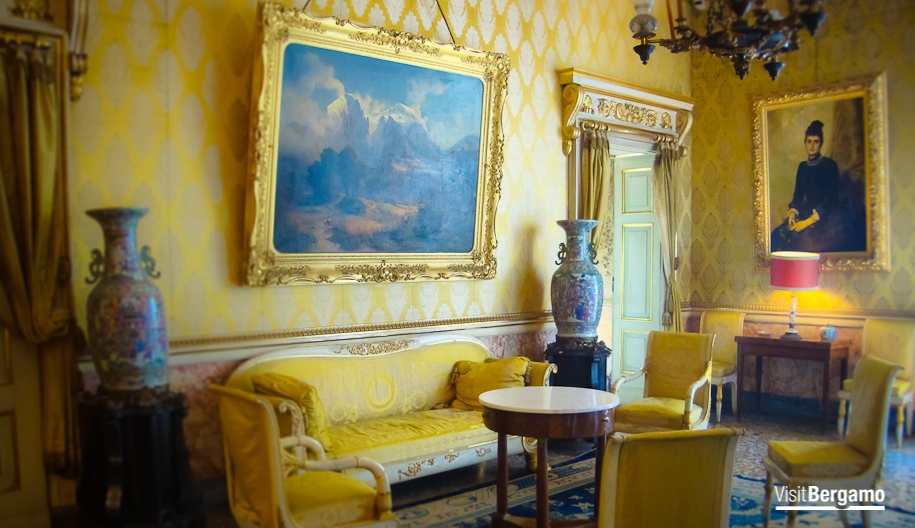
Palazzo Moroni is one of Bergamo Alta’s most charming historic residences. In addition to the splendid frescoed rooms and period furnishings, the palace houses an art collection that tells the story of the Moroni family and the city. Don’t miss the magnificent terraced gardens, a green oasis in the heart of the historic city, and the temporary exhibitions organized in cooperation with the FAI.

The Bergamo Civic Archaeological Museum, in Città Alta, offers a journey through the ancient history of the area, from prehistoric times to Roman times. It houses artifacts, mosaics, coins and everyday objects that testify to the cultural richness of ancient Bergamo.
An essential stop to learn more about the city!



Located in the Upper Town, the Museum of Natural Sciences is a must-see for families and nature enthusiasts. The museum houses an extensive collection of zoological, paleontological, geological and botanical exhibits, with dioramas and reconstructions telling the natural history of the region and the world. Particularly fascinating is the dinosaur room and the section devoted to animals from the Bergamo area.


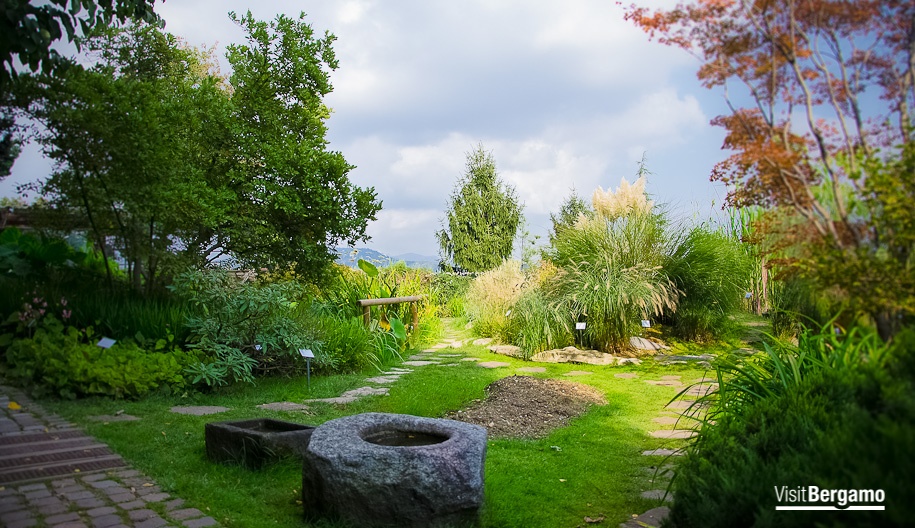
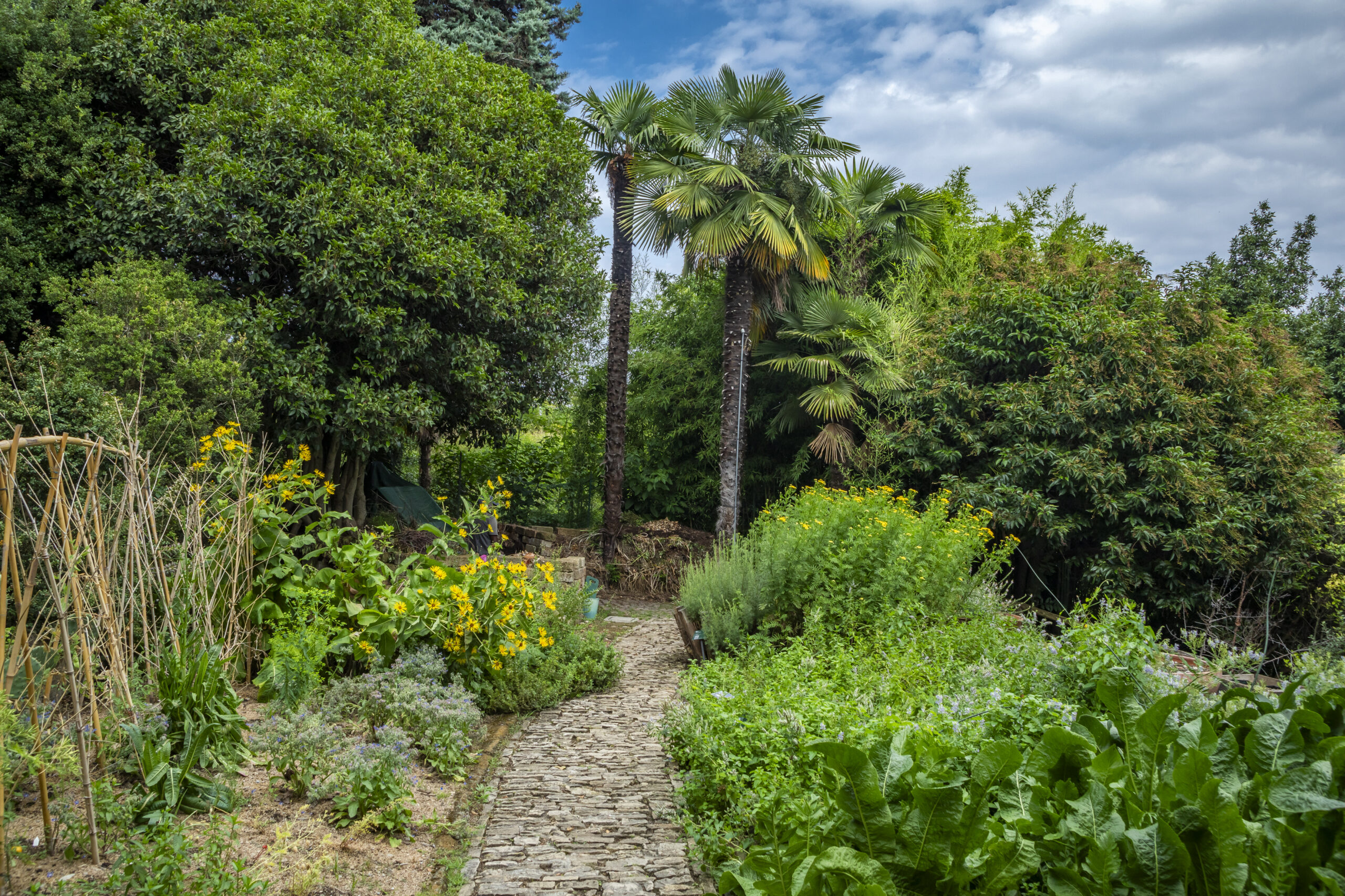
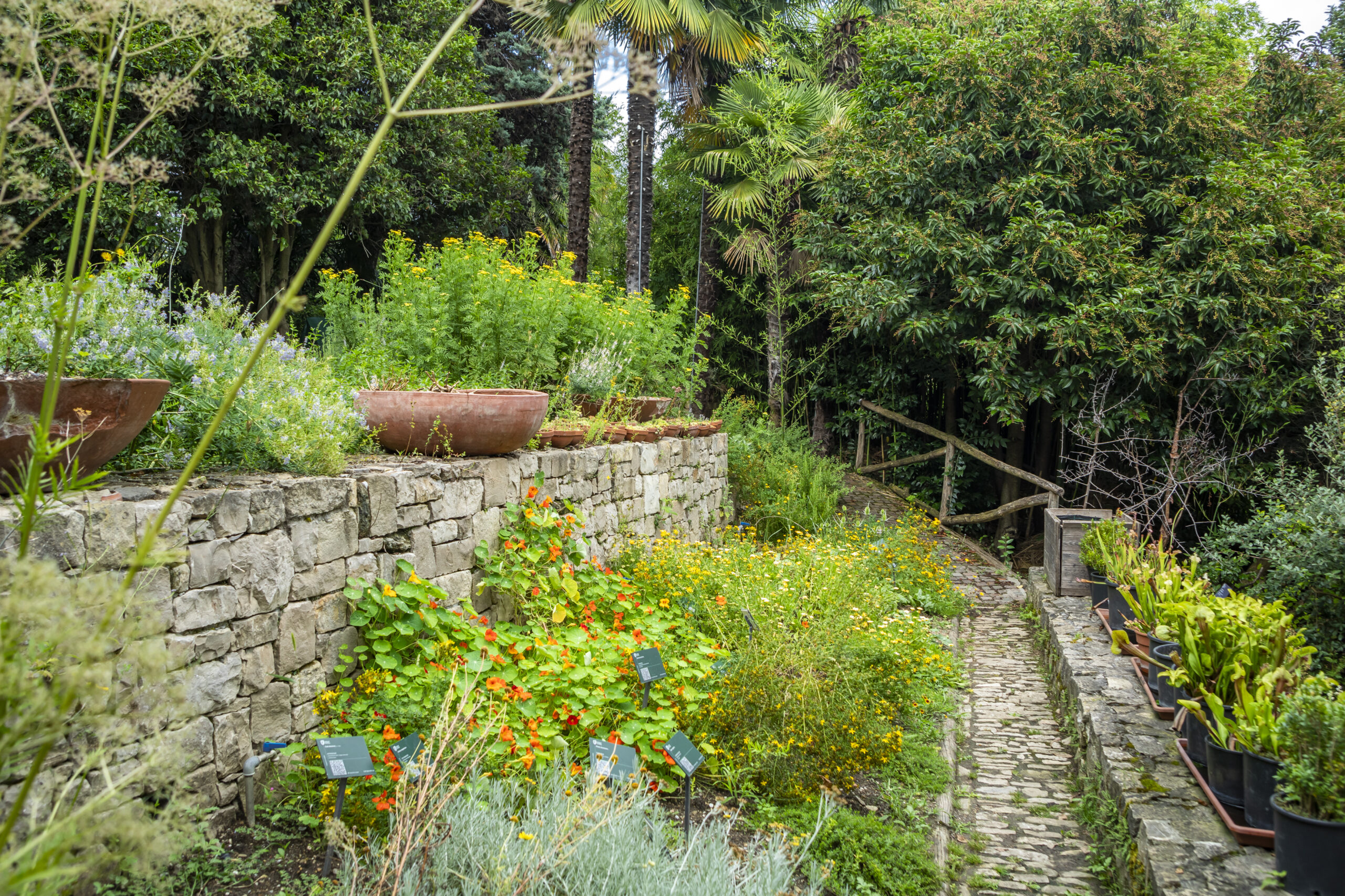
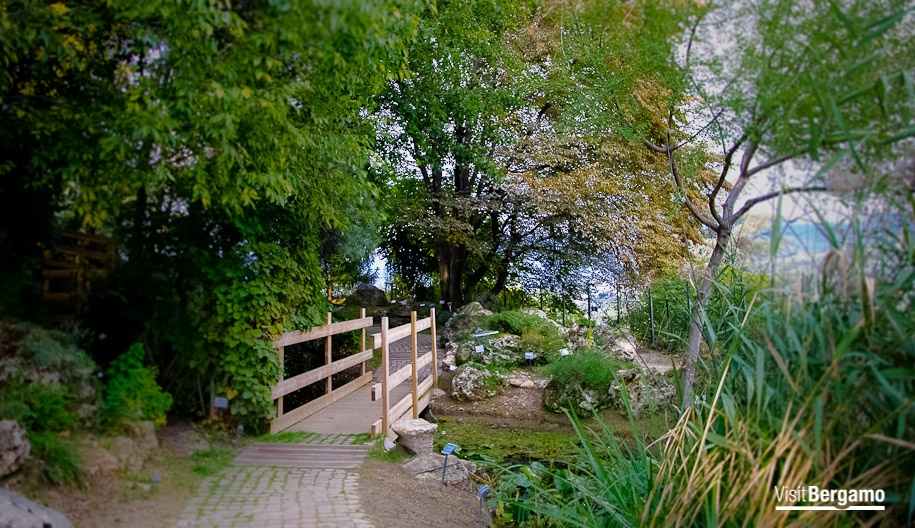
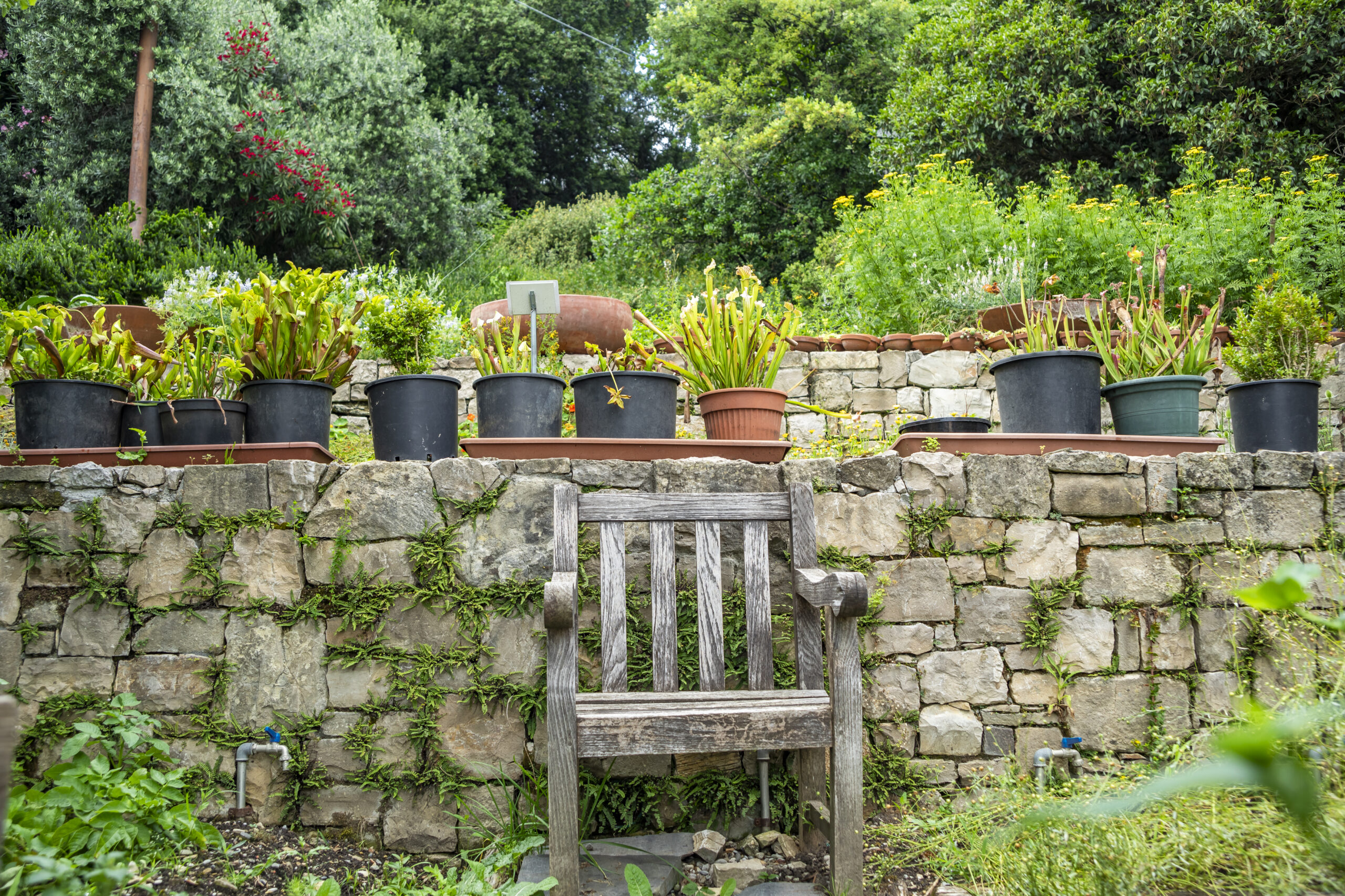
Located on the Bastion of Castagneta, theBotanical Garden is a small but precious garden that will reveal to you the evolution of plant life. Among flowerbeds, groves and a charming pond overlooking the Bergamo Pre-Alps, it is home to more than 1,000 species, offering a true open-air museum that changes its face with the seasons. The Garden also offers cultural and educational activities. Since 2015, it has been joined by the Valley of Biodiversity, in Val d’Astino, dedicated to the relationship between plants and humans and reachable by a pleasant walk.
Opened in 2012, it is located in a place rich in history: the basement of St. Alexander’s Cathedral. Inside you’ll find not only the incredible liturgical furnishings of the Cathedral Treasury, including priceless reliquaries, chalices, monstrances and sacred vestments, but also archaeological evidence that emerged during renovations in 2004.
In an environment full of charm, the remains of domus Roman, early Christian church and Romanesque cathedral layered over time tell the story of Bergamo from the 10th century B.C. to the 16th century.


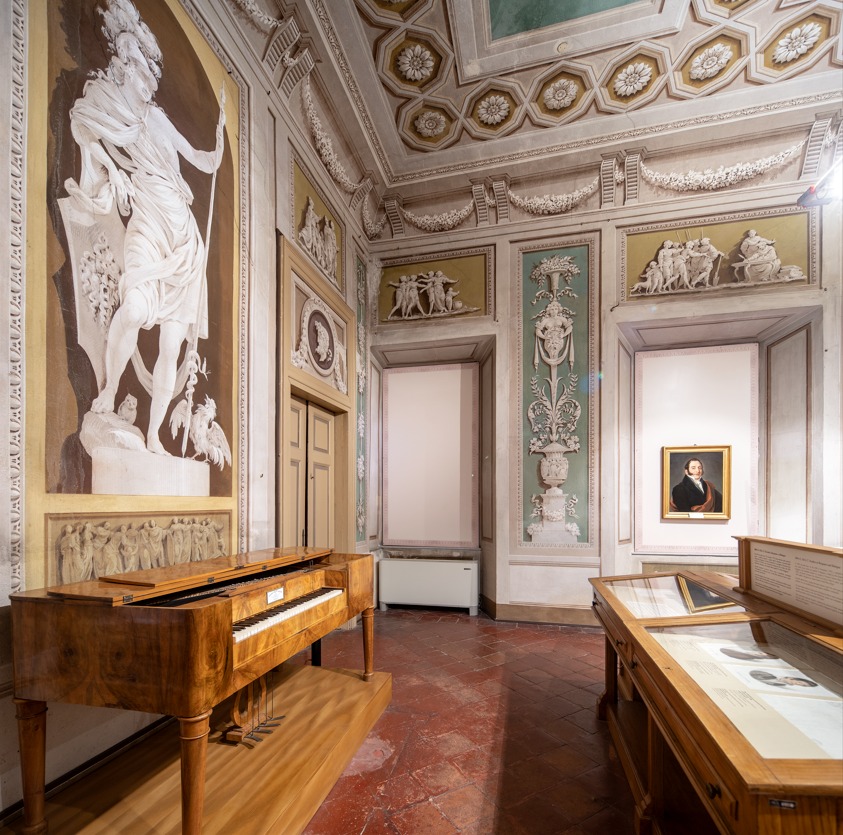
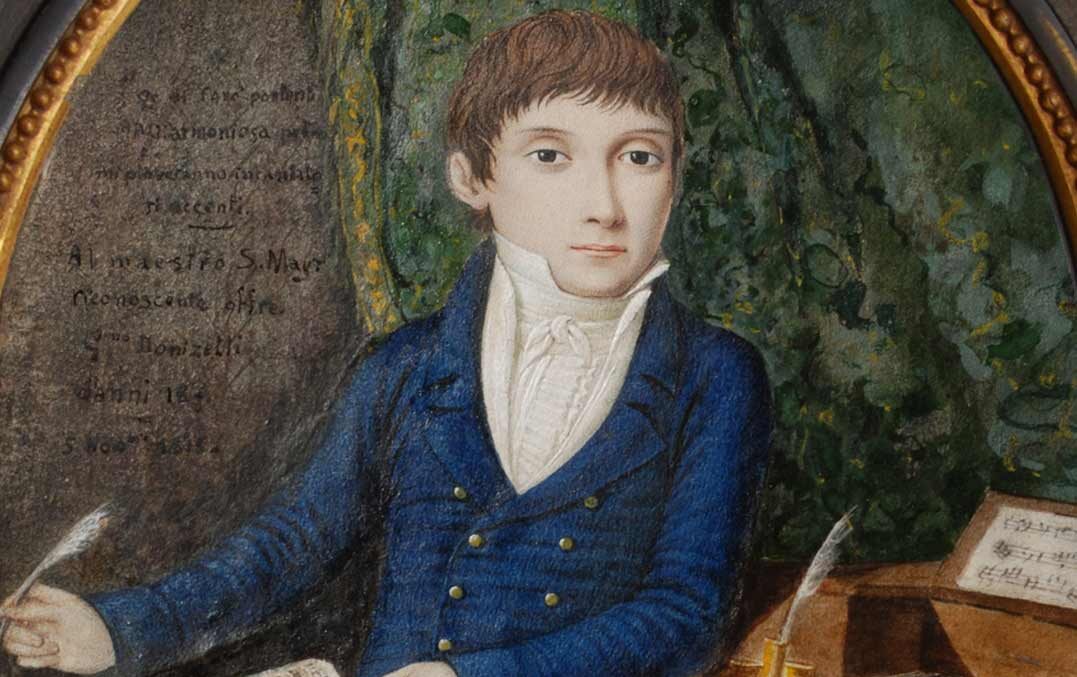
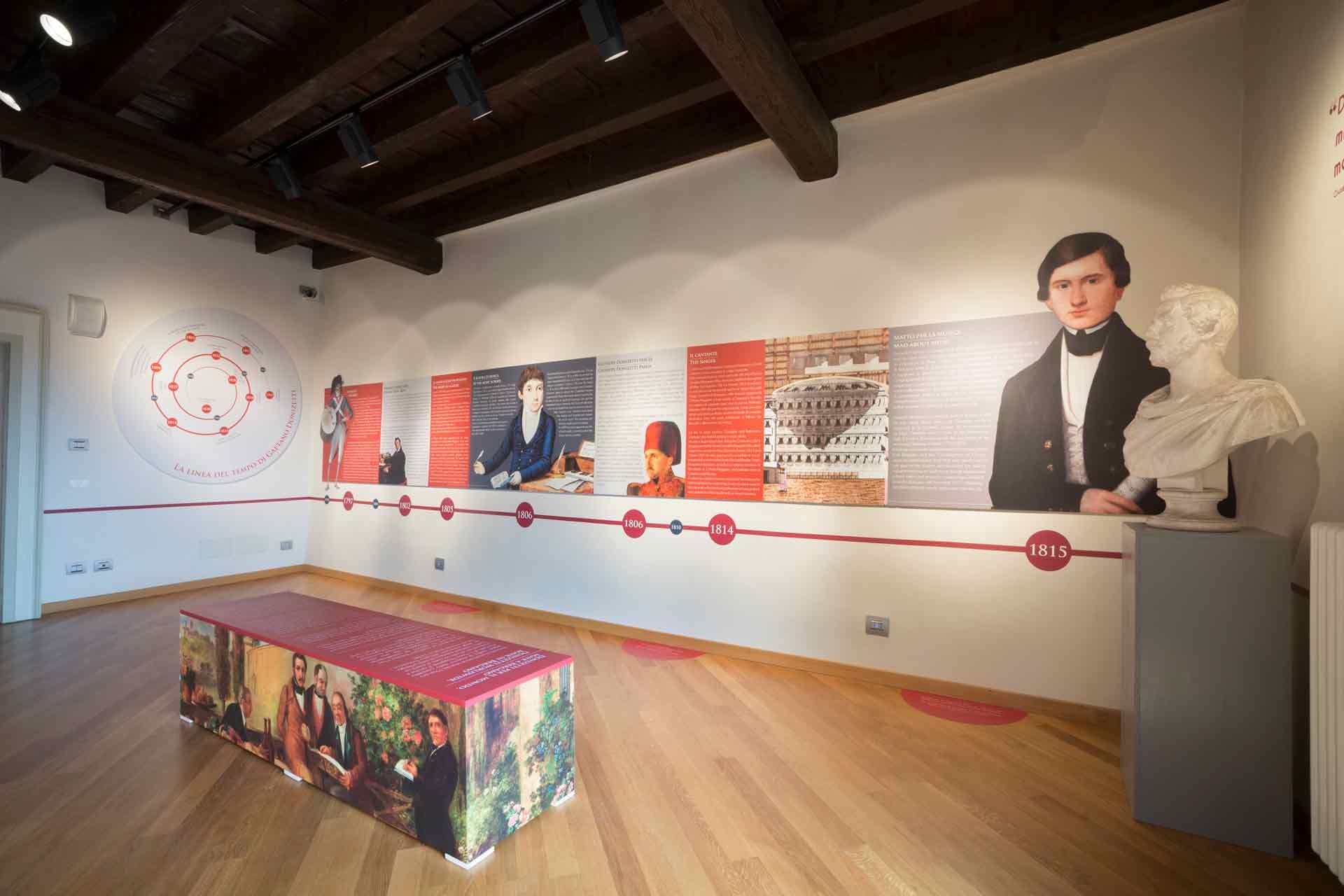
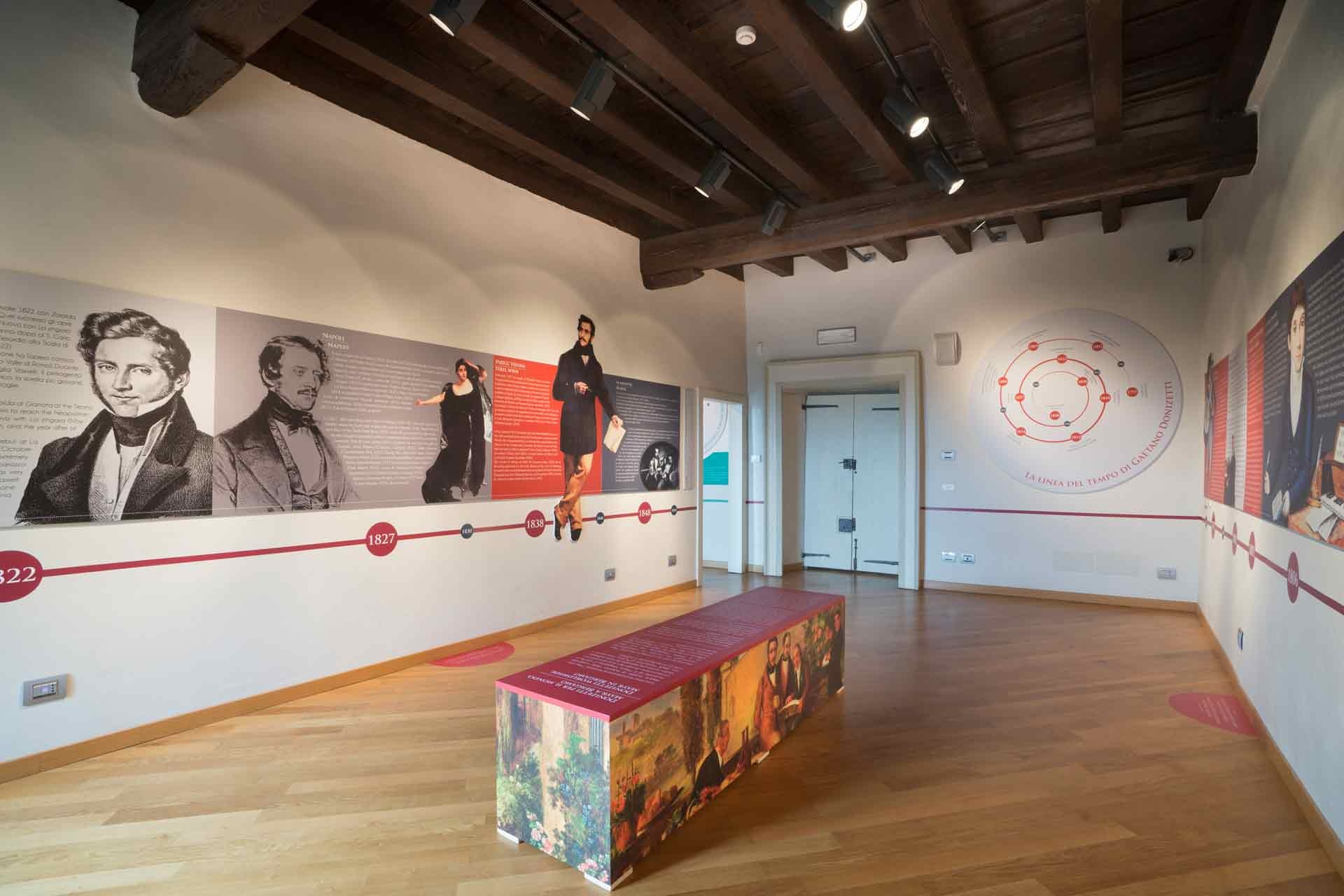
The house where world-famous composer Gaetano Donizetti was born is here in Bergamo, in Borgo Canale. Thanks to the museum ‘s multimedia exhibit, you can relive a day in what, three centuries ago, was a poor neighborhood inhabited by artisans, without many prospects, but which nevertheless allowed the great talent and ambition of a young musician to flourish. Donizetti redeemed his humble origins by bringing luster to his city, and leaving us with immortal works.
With the project Footprints sound you will discover its life through sounds and images, living an amazing immersive experience.


Seven places, one big diffuse museum, ready to reveal to you the history of Bergamo from Roman times to the 20th century. Thanks to its single ticket, which will allow you to enter all the facilities within 48 hours, you will travel from pre-Christian times to the contemporary age.
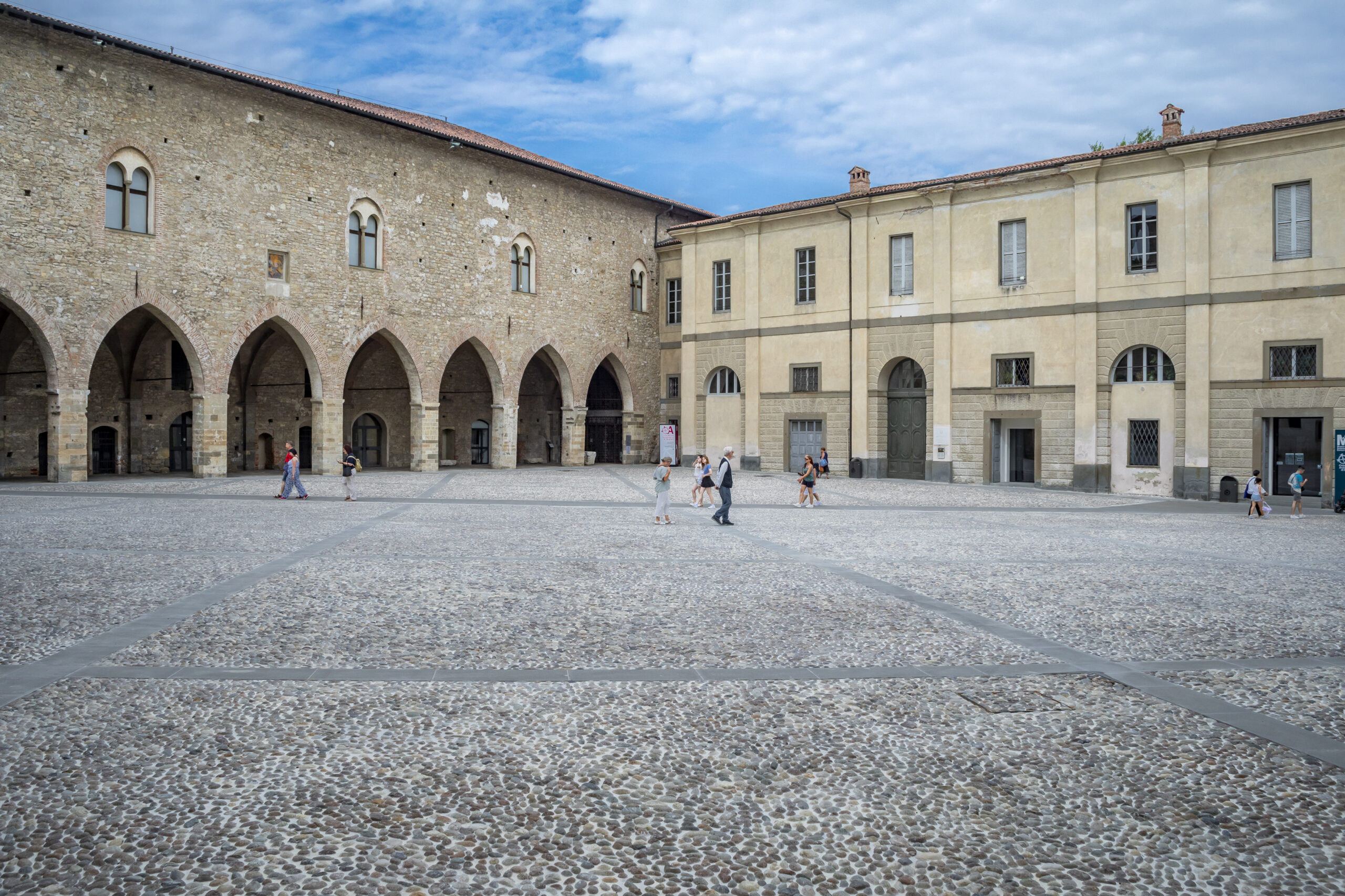
The Campanone. It is the majestic Civic Tower that watches over the heart of Piazza Vecchia, which Bergamasks have always known as Campanone (Campanù, in dialect) because of its distinctive, large bell. This monument is one of the city’s most fascinating attractions, standing 52.76 meters high and offering unparalleled panoramic views of the city and the Orobic Pre-Alps.
At its foot, the Museum of the 1500s inside the Palace of the Podesta is a multimedia and interactive journey made of images, sounds and suggestions. A journey back in time dedicated to Renaissance Bergamo and the “golden century” of the Most Serene Republic of Venice.
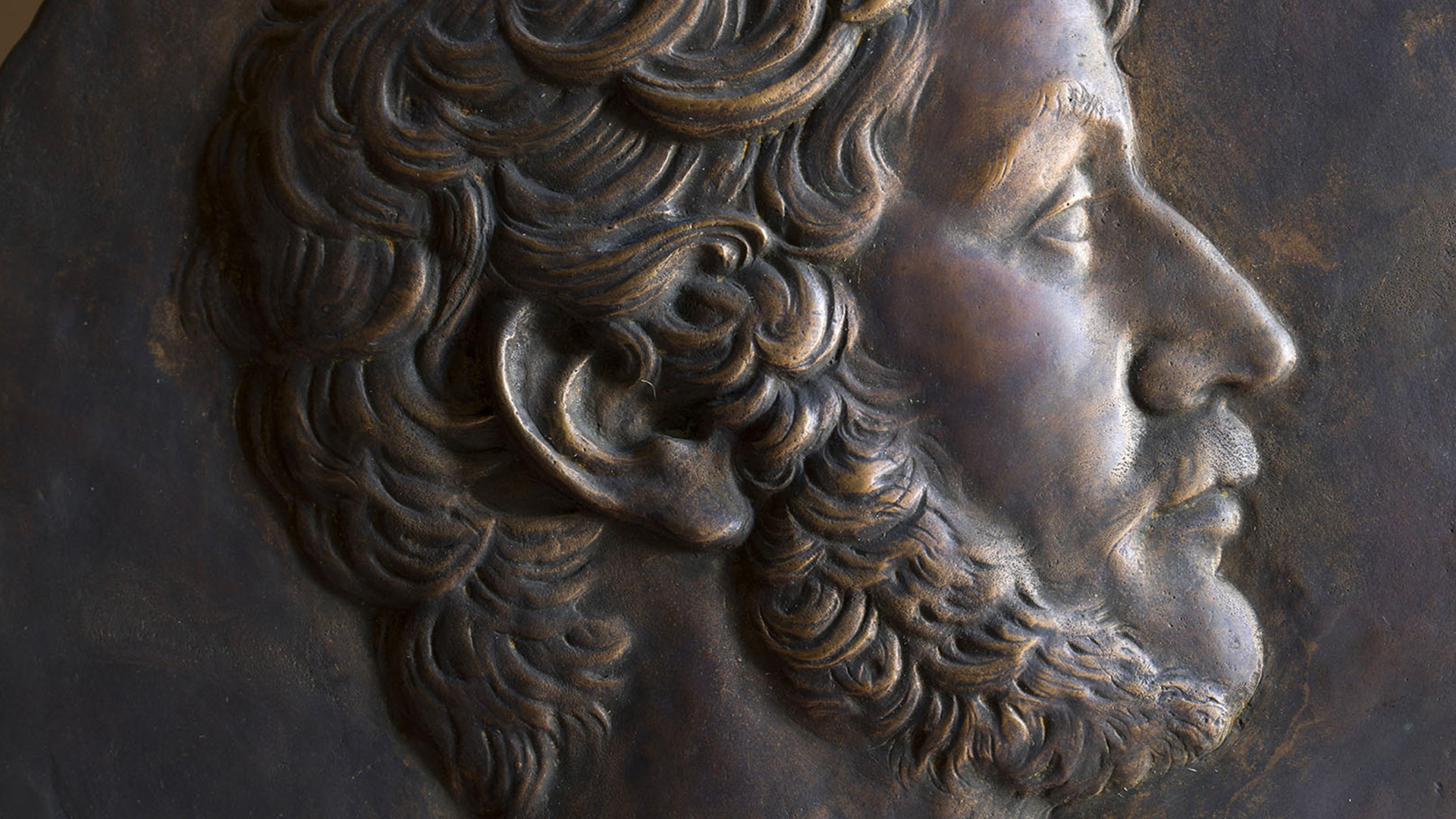
A few minutes away, on Arena Street you will find the Donizettiano Museum, dedicated to the famous composer from Bergamo. Here you can admire original manuscripts, musical instruments, portraits, and personal items that tell the story of the life and work of Donizetti, a leading figure in 19th-century Italian melodrama.
In the Hay Market Square, on the other hand, here isthe Convent of St. Francis: inside, the Sestini Museum of Photography tells the story of Bergamo and its territory through historical images, period photographs and multimedia installations, offering a unique look at the city and its changes over time.
Bergamo 900 is the new museum section within the building, a “construction site” of evidence that narrates the last century through voices, objects and places in the area. Four sections – the Facts, the Places, the Life and the Voices – serve as as many keys to showing the 20th century and what it meant for Bergamo.
Almost behind the convent towers the Rocca, a fortress of 14th-century origin that will amaze you with its mighty bulk, patrol walkways, mysterious Porta del Soccorso, and incredible views toward the territories north of Città Alta. Inside awaits you the Museum of the Nineteenth Century, which recounts the city’s transformations between the Ancien Régime and the Unification of Italy. A Bergamo at the height of the Risorgimento in which the stories of the 180 Bergamasks of the Thousand who joined Garibaldi come to life.
Latest addition to the multifaceted Museum of Stories, Walls of Bergamo tells the long and compelling story of Città Alta’s defensive walls. It occupies the rooms on the upper floor of Porta Sant’Agostino-still one of the main entrances to Upper Town-and through numerous historical accounts and multimedia points, it will show you the stages of construction of the fortress, from planning to material construction, in a time journey made all the more exciting by the fact that you will be in the heart of that same fortress.
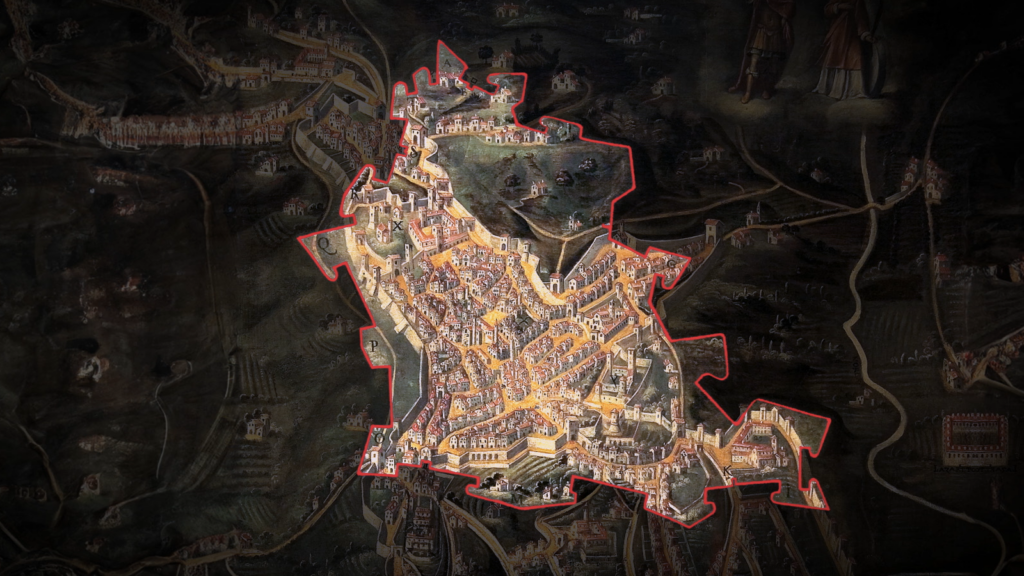
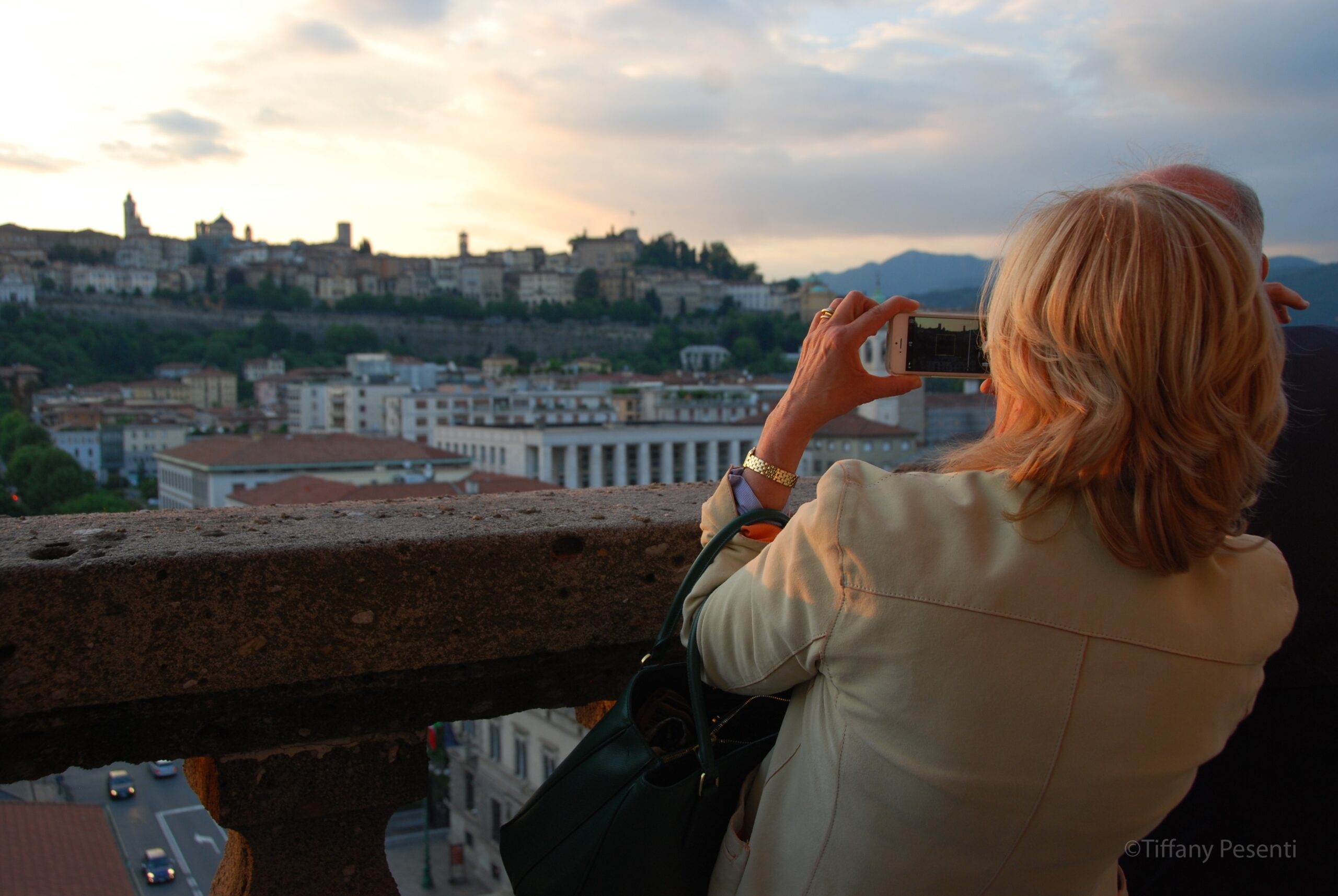
Finally, the only one of the seven structures to be found in Lower Bergamo, the Tower of the Fallen. It is the monument dedicated to the memory of the fallen of the Great War and towers over Vittorio Veneto Square.
Inside, a fascinating itinerary tells you about the birth of Piacenza’s center and urban life around the tower that has become a symbol of the modern city. At the end of the six-story-long itinerary, on the terrace, an unprecedented and breathtaking view of downtown.
A diffuse museum dedicated to sacred art in Bergamo, it is housed in the ancient bishop’s palace in Piazza Duomo, between the Basilica of Santa Maria Maggiore, the Colleoni Chapel and the Curia. In its rooms you can admire not only Roman mosaics and medieval sculptures, but also paintings from the modern age, including works by Lorenzo Lotto, Giovan Battista Moroni, Evaristo Baschenis and Giacomo Manzù. An exceptional room is theAula Picta, recently restored.
The ticket also includes admission to the Cathedral Museum, which houses the remains of the ancient early Christian cathedral, to the small but valuable Baptistery and to theOratory of San Lupo, which awaits you in Lower Bergamo with its exhibitions devoted to contemporary art.
Located in the heart of Città Alta, the Basilica combines faith, history and art and is one of Bergamo’s most important symbols. Founded in 1137 from a vow made to Our Lady for the end of the plague, the church was built as a sign of gratitude and enriched over the following centuries.
The interior is an artistic treasure trove with frescoes, tapestries and splendid wooden inlays designed by Lorenzo Lotto, and is one of the highest expressions of the Bergamasque Renaissance. The basilica also houses the tomb of composer Gaetano Donizetti, a symbolic figure of the city.
On the outside stand out, iconic, the gates of the Red Lions and White Lions, a medieval work by Giovanni da Campione.


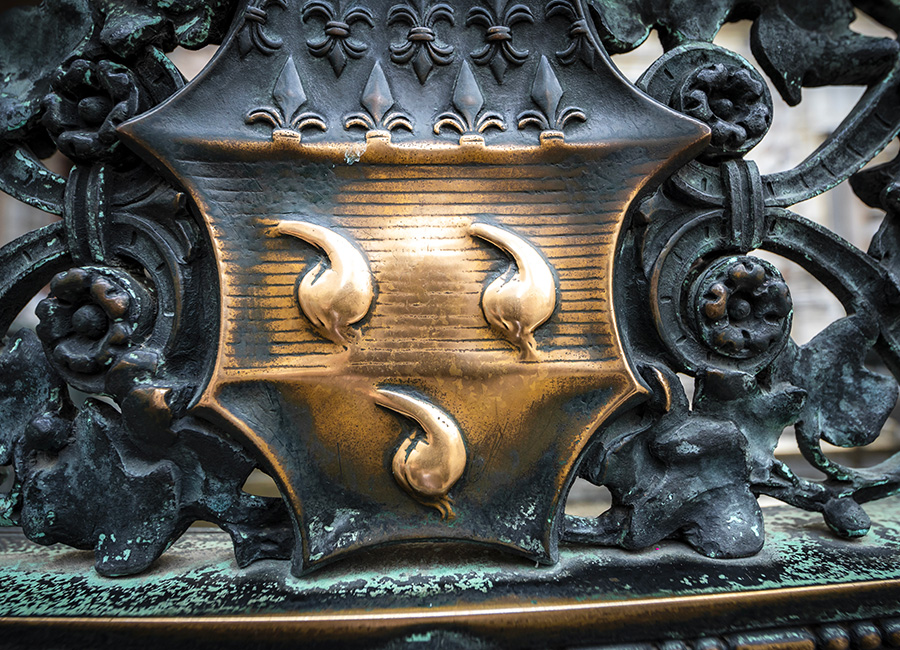
The Colleoni Chapel, in the heart of Città Alta, is one of Bergamo’s most iconic monuments, famous for its dramatic red-and-white marble facade.
The interior holds a rich artistic heritage: the equestrian statue of Bartolomeo Colleoni, the exquisite marble sarcophagus in which he rests and the tomb of his beloved daughter Medea, as well as precious carved wooden elements.
The chapel was commissioned by Colleoni himself, a famous Bergamasque condottiere in the service of the Venetian Republic. His figure is still remembered today for his works in the area, including castles, canals and this extraordinary memorial site.
Come and find out too, and follow the ancient tradition of rubbing his coat of arms to receive a pinch of good luck!


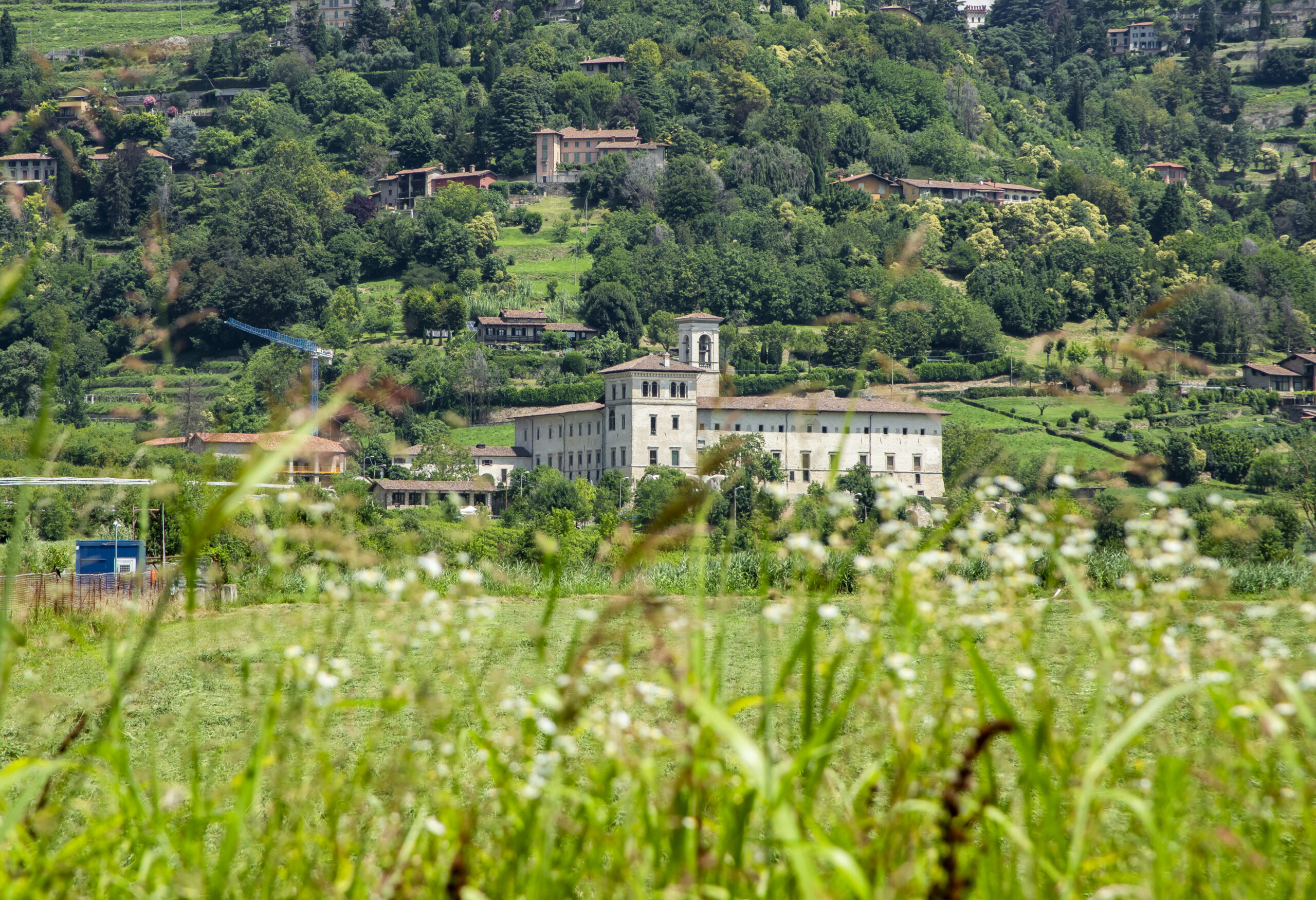
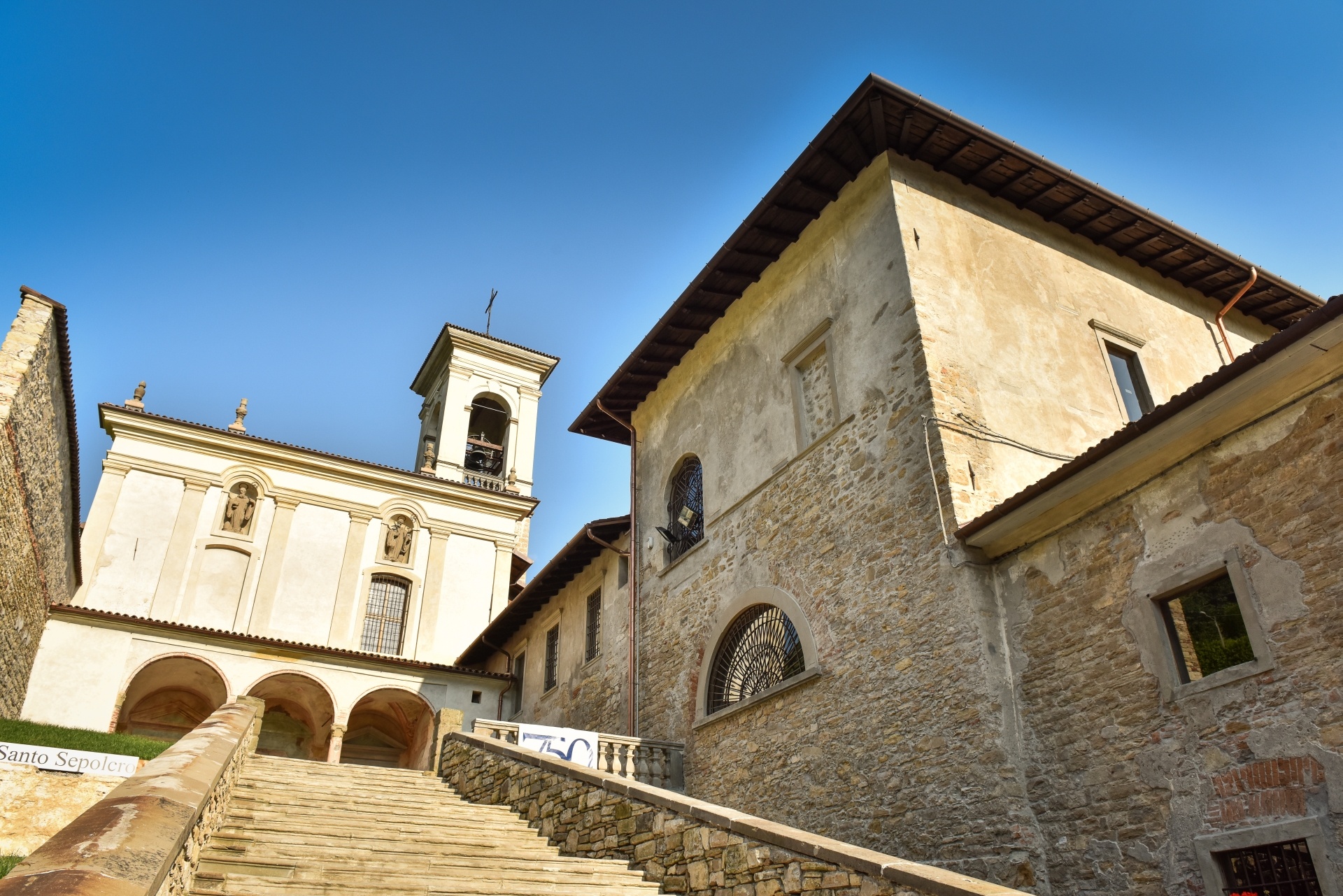
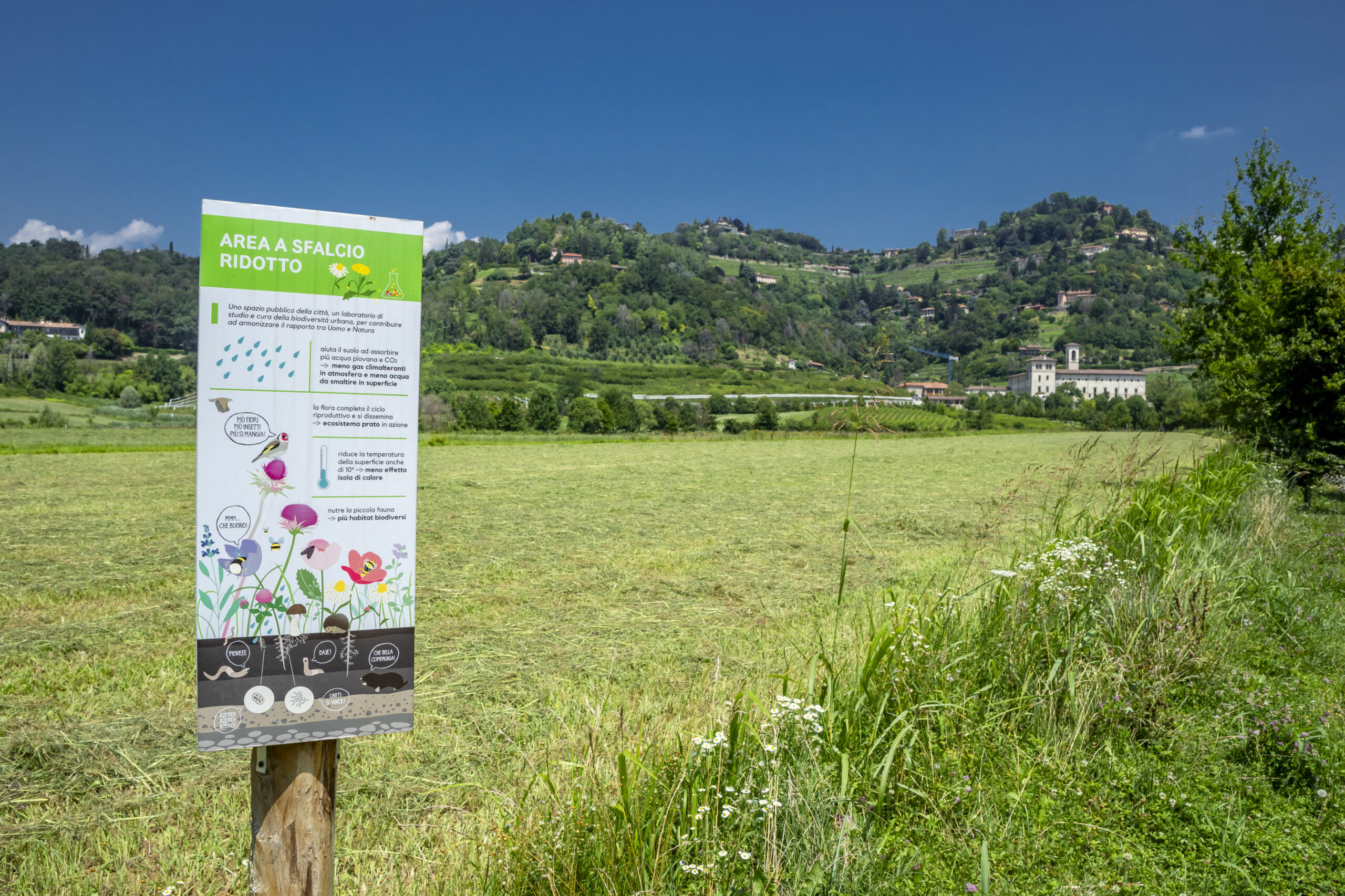
Nestled among forests and hills, the Val d’Astino is a place of peace in the foothills of Bergamo. As early as 1107, Vallombrosian monks chose this valley to found their monastery, flanked by the Church of the Holy Sepulchre, creating a strong link between the complex and the area.
Today the area is surrounded by cultivated fields and lush nature, and offers a picturesque and harmonious landscape. The monastery is also an excellent starting point for exploring the many trails in the surrounding area, which lead toward Longuelo, the San Martino valley, and the scenic heights of San Vigilio.

We’ve told you about the top 10 museums, the must-sees, but Bergamo has many other places of art and culture to explore, including stately homes, private collections and house museums.
Discover them all with us!
Also waiting for you in the Upper City are the Museum of the Treasure of St. Mary Major (inside the Basilica of the same name), Palazzo Terzi and Casa Museo Polli Stoppani, as well as hidden gems such as the Cividini Gipsoteca. At the foot of the ancient village you then find, at the end of a wonderful walk, the Botanical Garden section of Astino – Valley of Biodiversity, a splendid theme park dedicated to the plants that nourish the planet.
In Lower Town you can explore the Matris Domini Museum, the Puppet Museum and the Sculpture Park at the beautiful Palace of the Province, as well as the entertaining Impossible Museum, a modernedutainment facility that combines play and scientific culture. In the Colognola district, on the other hand, where a large factory once stood, the following awaits you stoneware art 671 with its contemporary art exhibitions, café and spaces perfect for coworking.
Bergamo offers numerous museums designed to engage and entertain young children, making a cultural visit an unforgettable experience for the whole family.
Throughout the year, the Bergamo Museum of Stories offers play activities, creative workshops, theatrical tours and events such as “A Museum a Month” designed for children ages 6 to 11 and their families: each month a different experience to explore local history by playing and learning together. The museum also organizes summer camps, guided tours and special activities, with affordable fees and reservations required.
The Enrico Caffi Museum of Natural Sciences is a must-see destination for families: among mammoth skeletons, fossils, stuffed animals and artificial anthills, children can explore nature and history in an engaging way, including through hands-on activities and tactile trails.
Also the Puppet Museum is a magical place for children and families, thanks to its collection of puppets, backdrops and props from the Bergamo tradition.
La GAMeC offers educational tours, creative workshops and initiatives such as “Sunday at the Museum,” “Kids Lab” and “Baby Art Tour,” making modern and contemporary art accessible and fun for all ages. Dedicated spaces and services such as a baby pit stop and sign language activities are also provided.
Finally, the Museum of the Impossible offers immersive experiences between optical illusions and science, ideal for stimulating young children’s curiosity and desire to discover.
Many museums in Bergamo offer reduced tickets for children, students, families, people over 65, people with disabilities and school groups. For up-to-date information on schedules, fees, promotions and any free admission days, see the Museum and Site Schedules or the official websites of individual museums before planning your visit.
Most museums in Bergamo are committed to ensuringaccessibility for all visitors. Major facilities, such as the Carrara Academy, GAMeC, Museum of Natural Sciences, and Museum of Histories, have barrier-free entrances, elevators, accessible toilets, and facilitated routes for people with mobility disabilities. Some museums also offer information materials in Braille, dedicated guided tours and activities in Italian Sign Language (LIS), as in the case of GAMeC.
Before visiting, it is always recommended to consult the museum’s official website for up-to-date details on services and accessibility, or contact the facility directly for special needs.